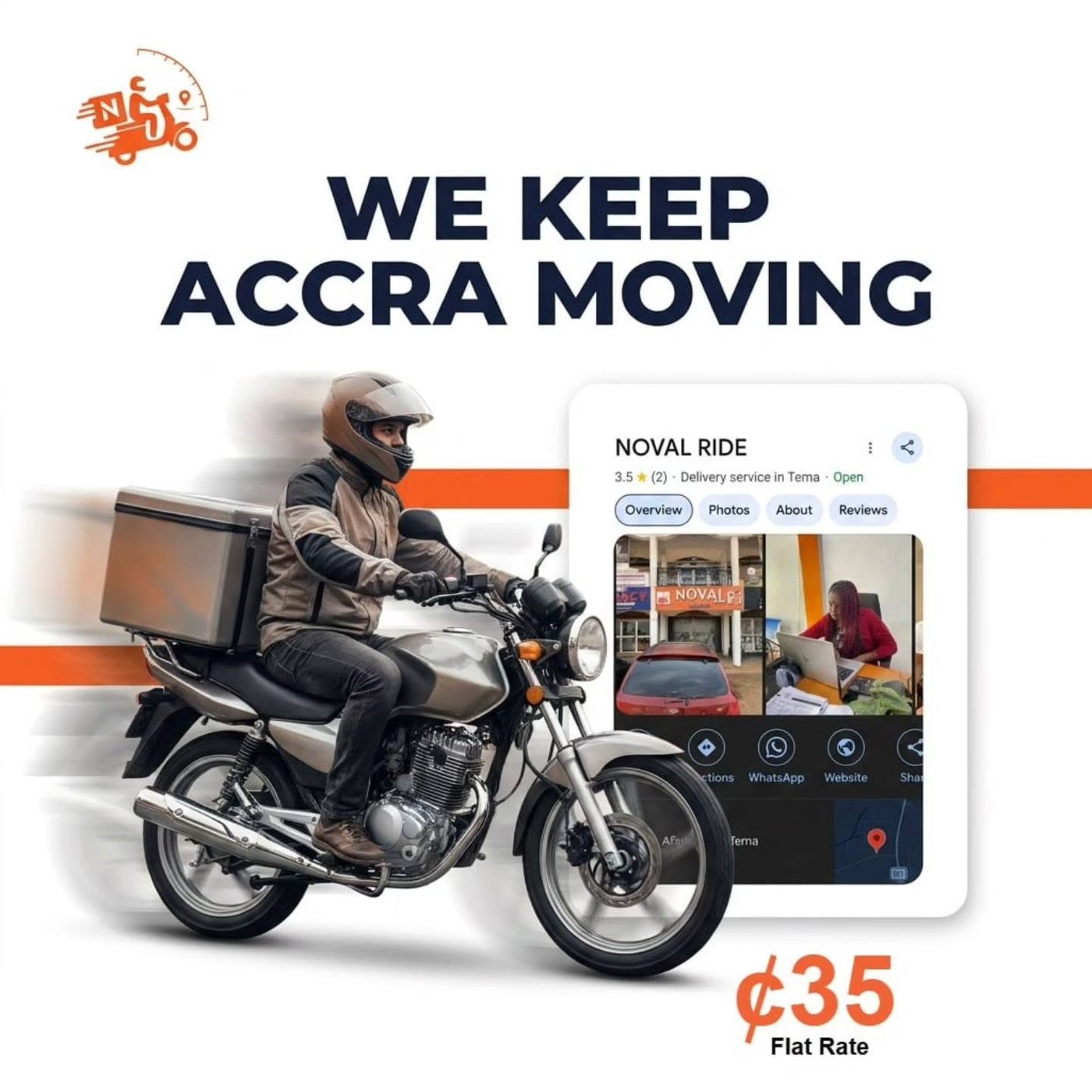
Food is the least forgiving parcel we carry. It has a temperature, a texture and a short window before both are wrong. The rider can only ride fast; the kitchen has to pack well.
Pack hot food hot and cold food cold
Use insulated bags or a cooler for anything that should stay hot or cold. A paper bag on an open rack loses heat within minutes in Accra traffic. Separate hot and cold items so the cold doesn't sweat into the hot food.
Sauces, stews and drinks go in sealed containers, then in a second bag. A leaked sauce does not just ruin the meal; it makes the rider's bag unusable for the next order.
Choose containers that survive a bike
Thin foil trays bend and split when a bag is strapped down. Use rigid containers with tight lids, or stack them so nothing presses on a lid. For soups and drinks, tape the lid or use a cup seal.
Leave a little headspace in hot containers. Food expands and a full container leaks through the lid as it moves.
Time the pickup
Book the rider for the time the food will actually be ready, not the time you start cooking. A rider waiting ten minutes at the counter is a rider not delivering. If the kitchen runs late, call the desk so the pickup can be moved rather than letting the rider arrive early and leave.
For restaurant partners, the same rule applies at scale: mark the order ready only when it is sealed and bagged.
Keep the receiver in the loop
Give the receiver a realistic window. Fried food, salads and ice cream do not improve with a long detour. If the address is hard to find, send the landmark with the order so the rider does not circle the block while the food cools.
A short checklist for kitchens
- Hot and cold packed separately.
- Lids sealed and taped where needed.
- Rigid containers, no thin foil for liquids.
- Drinks upright and bagged.
- Pickup booked for the ready time.
- Receiver's phone on and landmark clear.
Food delivery is a relay: kitchen, bag, bike, gate, table. Every handover costs a little heat. Pack for the handovers, and the last one still tastes like the first.