
An online order is a promise made in seconds and kept over hours. Between the payment notification and the knock at the door there are five jobs: receive, store, pick, pack and dispatch. Doing them well is the difference between a shop that scales and one that drowns in cartons.
Receive and check stock
Stock arrives, is counted and is checked against the supplier's list before it goes on a shelf. A wrong count at this point becomes a cancelled order later. Every item gets a location so it can be found without searching the whole room.
For a small shop, this is the moment to stop storing stock under the bed. For a growing one, it is the moment to stop guessing.
Store it so it can be picked
Storage is not just space; it is order. Fast-moving items sit near the packing bench. Heavy items sit low. Fragile items sit where nothing can fall on them. The warehouse team records what came in, what went out and what is left.
That record is what lets you answer "do we have this in medium?" without walking to the back.
Pick and pack
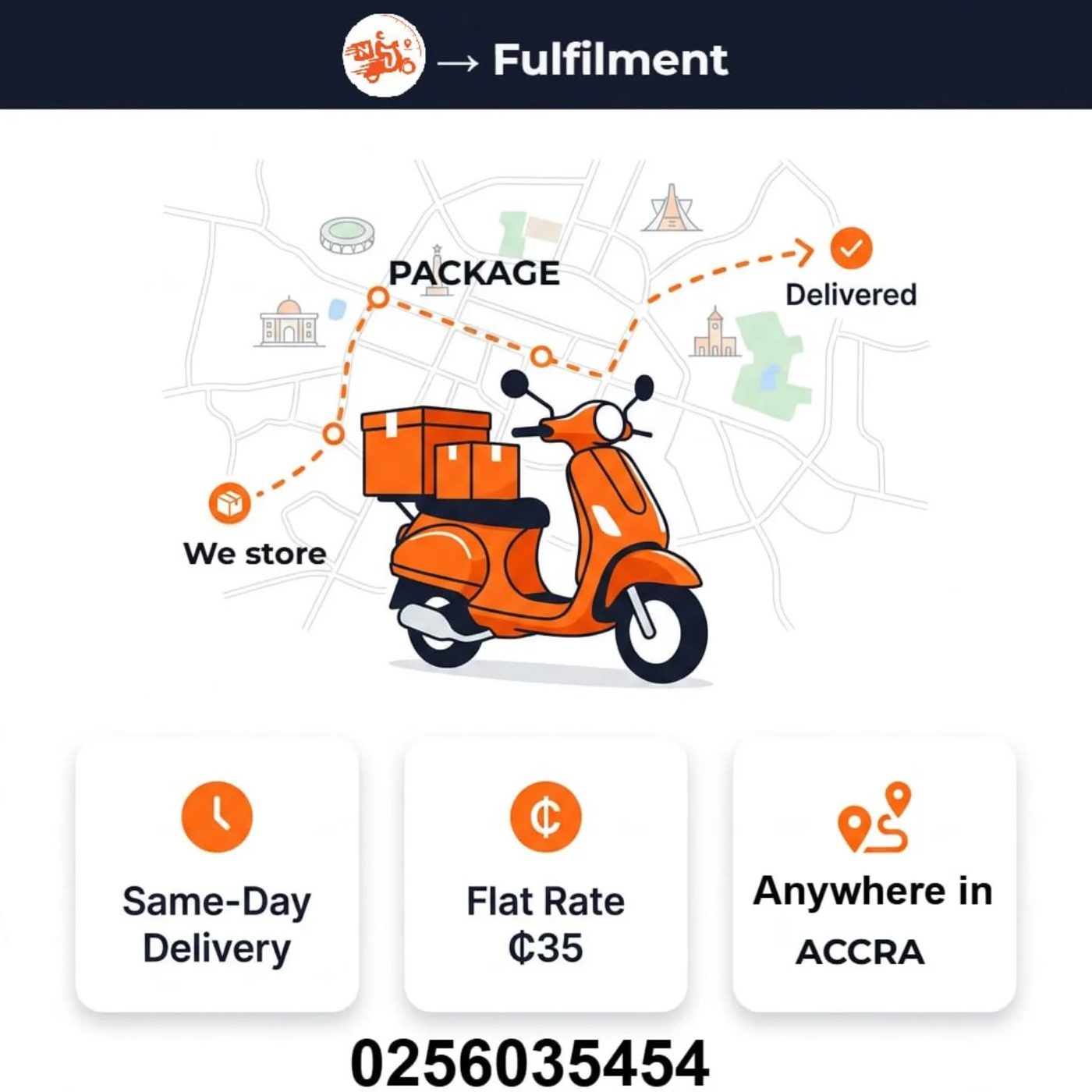
When an order comes in, the picker collects the exact item and quantity, then the packer wraps it for the road. A packing slip goes in, the label goes on, and the parcel is sealed. For Accra orders the parcel joins the same-day run; for other cities it joins the intercity consolidation.
Good packing at this stage follows the same rules as any parcel: rigid box, cushioning, H-seal, clear label. The difference is repetition. A process that works once must work two hundred times.
Dispatch and last mile
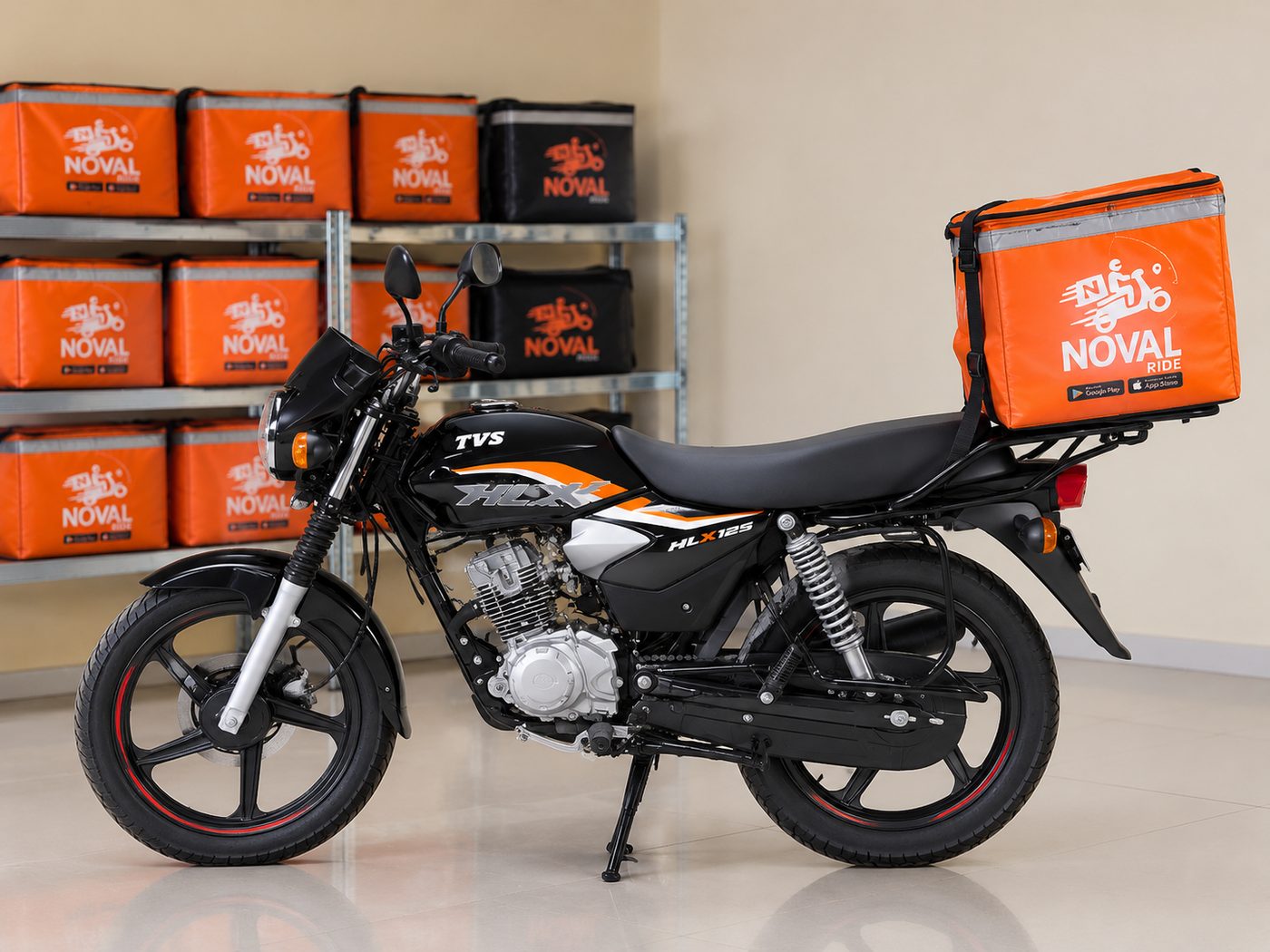
Dispatch hands the parcel to a rider or loads it for the intercity run. The customer gets a tracking number and can follow the status without calling you. If a delivery fails, the parcel comes back to the warehouse and is held for a second attempt rather than disappearing into a rider's bag.
What you keep control of
Fulfilment does not take the shop away from you. You keep the products, the prices, the brand and the customer relationship. You hand over the storage, the packing bench and the dispatch queue, and you get back the hours you were spending on tape and labels.
If you are packing more than a handful of orders a day, the question is not whether to move fulfilment out of the house. It is how much of it to move. Start with storage and packing, keep the customer conversation, and add dispatch when the volume makes the trip to the courier desk the slowest part of your day.